Choosing a Finish: Flagstone, Slate, Sandstone and Stamped Patterns
Two decisions shape every resurfacing project: how the surface looks, and how it feels underfoot.
October 27, 2026 · 4 min read
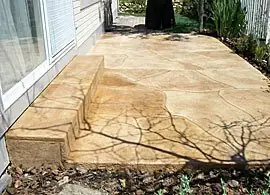
When people start planning a resurfacing project, they usually begin with a problem: the patio is cracked, the driveway is stained, the garage floor is dull. Then comes the better question. If it could look like anything, what would you want? That question has more answers than most homeowners expect, and sorting through them is the fun part of the job.
Think of the choice in two layers. The first is the look, meaning the pattern and color you see. The second is the feel, meaning the texture under your feet and how much grip it gives you. Both belong in the conversation from the start.
Layer one: the look
Color Country Resurfacing can produce stamped-concrete patterns, or the look of flagstone, slate, sandstone and other natural stone, on concrete and other masonry surfaces. A short tour of the families helps.
Flagstone has irregular pieces with grout-like lines between them. It feels informal and suits garden patios, steps and walkways. In warm tan and terracotta tones it fits comfortably with the red-rock and sandstone colors of the Grand Valley landscape, and it is one of the most popular choices for outdoor living areas.
Slate has a more squared, tile-like pattern, usually in cooler greys. It looks tidy and a bit more modern, and it works well when you want a patio to feel calm and clean-lined. A plain grey patio that has become a slate-tile pattern is a good example of how far a single slab can travel.
Sandstone leans warm and soft. It tends to look natural next to wood, gravel and desert plants, and it is a good match for homes with earth-tone siding or stucco.
Stamped patterns are the classic concrete look: repeating textures that imitate brick, tile or stone. The company's overlays can replicate those stamped patterns without needing a new pour, which is often the appeal.
You are not limited to the samples
Colors are customized and color-matched to your décor, and the matching is free. Custom patterns can also come from your own sketch, a photograph or an idea. If you have seen a patio you love, take a picture. If you have a design in mind that is hard to describe, draw it on paper. Either one is a workable starting point.
- Bring a photo of your house exterior so the color can be matched to it
- Bring a picture of the pattern you like, even if it is from a magazine
- Sketch any custom shape or layout you want
- Note anything nearby that the surface should coordinate with, such as siding, stone veneer or railings
Layer two: the feel
A beautiful pattern is only half of the decision. The same pattern can be finished in different ways, and the finish changes how the surface behaves day to day. The company offers smooth, brushed and anti-skid surfaces, plus a broom finish for traction and anti-slip additives.
A smooth surface is easy to sweep and looks clean, which makes it a natural fit for a garage floor or an indoor concrete floor. A brushed surface has a bit more texture and is a comfortable middle ground. An anti-skid surface is what you want where wet feet, ice or a slope make grip the priority.
Matching the finish to the place
- Garage floors: smooth or lightly textured, easy to clean
- Patios: your favorite pattern, with enough texture to stay comfortable when wet
- Entry walks and steps: traction first, then pattern
- Pool cooling decks: anti-skid is the sensible starting point
- Driveways: a broom finish or similar texture for grip, in a color that suits the house
- Commercial and industrial floors: ask about staining, which the company offers for those applications
The same ideas inside the house
These choices are not only for concrete. Inside the home, the same stone families show up as granite, marble, slate and flagstone looks on kitchen counters, vanities and even indoor floors. The surfaces are described as heat resistant, and slip-resistant finishes are available when you need them. If you are planning an outdoor patio and a kitchen counter at the same time, you can coordinate the two palettes so the whole property feels connected.
A simple way to decide
If you are stuck, start with how the space gets used. Who walks on it, and when? Is it wet, shaded, sunny, or all three? Then look at the house itself and choose a stone family that echoes its colors. Finally, pick the texture that suits the traffic. You will usually find that the decision narrows quickly once you answer those three questions.
When you are ready to see options for your own surface, call (970) 250-9448 or send a message through the contact page. Estimates are free and are provided within two weeks, by appointment Monday through Friday, 10 am to 6 pm. The page at /services/concrete-repair-and-resurfacing lists everything available for patios, driveways, garage floors and decks, and the gallery shows finished work.
Color Country Resurfacing is an authorized Granicrete, Aurastone and Ardex installer, licensed, bonded and insured.
Color Country Resurfacing, (970) 250-9448
Call (970) 250-9448More articles
Resurface or Replace? What to Do With a Cracked, Faded Concrete Patio or Driveway
Most tired concrete has a surface problem, not a structural one, and the two call for very different fixes.
Countertop Refinishing vs. New Counters: What Changes in a Matter of Hours
A stone-look overlay can turn laminate or tile into a granite or marble finish without ripping out the kitchen.